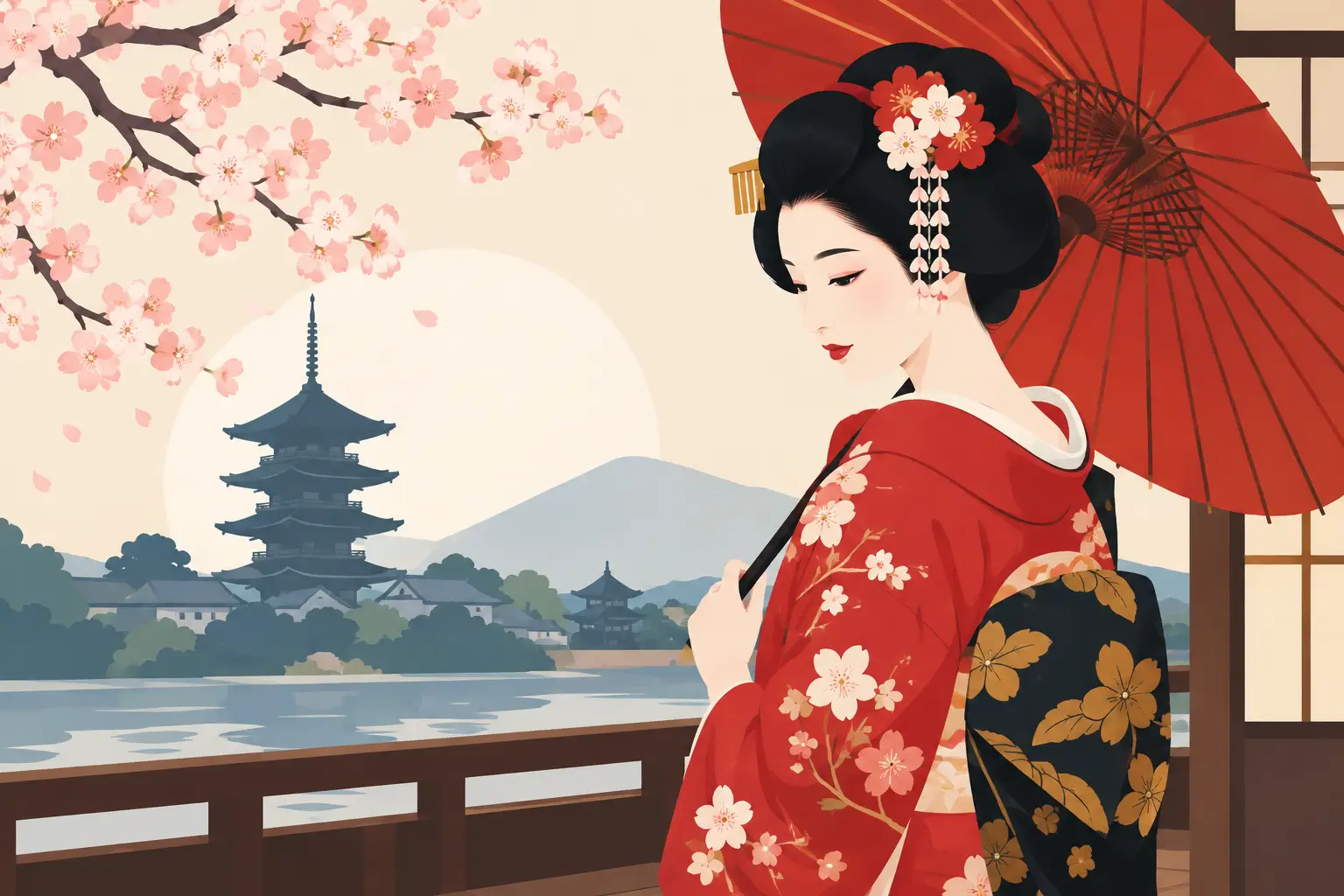
A Kyoto lunch may be remembered for a beautiful kaiseki course or a quiet tatami room. Yet when a maiko enters in formal kimono, accompanied by the bright, expressive sound of shamisen, the occasion becomes something far rarer: a living encounter with one of Japan’s most refined performing arts. This geisha entertainment review considers what discerning travelers should expect from a genuine experience – and what separates a meaningful cultural occasion from a merely decorative one.
For overseas guests, geisha culture can seem both familiar and difficult to approach. Images are everywhere, but authentic access is traditionally built on long-standing local relationships, private introductions, and an understanding of Kyoto etiquette. A carefully arranged luncheon changes that equation. It offers a graceful, welcoming setting in which guests can enjoy the artistry, conversation, and hospitality of geiko and maiko without uncertainty or intrusion.
目次
What Geisha Entertainment Actually Means
In Kyoto, the term geiko is generally used in place of geisha. A geiko is an accomplished professional artist, trained over years in traditional dance, music, conversation, and the rituals of hospitality. A maiko is an apprentice entertainer, recognizable by her elaborate hairstyle, richly colored kimono, and youthful style of dress. Both belong to Kyoto’s historic hanamachi, or geisha districts, where these artistic traditions continue to be practiced.
Entertainment in this setting is not a stage show in the conventional sense. It is an intimate form of hospitality. Guests may watch a traditional dance, hear live shamisen, enjoy lighthearted ozashiki games, and have the opportunity to speak with the performers through an interpreter. The atmosphere should feel poised rather than distant, formal yet warm.
That distinction matters. The value is not simply in seeing a costume or taking a photograph. It is in being welcomed into an art form shaped by discipline, seasonal awareness, and generations of Kyoto custom.
A Geisha Entertainment Review: The Details That Matter
The best experiences are carefully paced. A fine meal provides the setting, but each element should have a reason for being there. Dance presents a story through restrained movement, expression, and the smallest gesture of a fan. Shamisen gives the room a distinctive musical energy. Games create a relaxed moment of shared laughter, allowing guests to participate rather than only observe.
A strong program also makes room for conversation. International visitors often arrive with genuine curiosity but hesitate to ask questions for fear of causing offense. English-speaking interpretation is therefore more than a convenience. It enables guests to understand what they are seeing, communicate respectfully, and appreciate the individual personality behind the formal appearance.
Photography, when offered with clear guidance, can be another meaningful part of the experience. A professional-style image with a maiko or geiko is not simply a souvenir for social media. For honeymooners, families, and travelers celebrating a milestone, it becomes a record of a rare Kyoto moment. The most elegant programs balance this opportunity with respect for the performers’ time and traditions.
The Difference Between Performance and Access
A public cultural show can be an enjoyable introduction to Japanese arts. It may be convenient, brief, and appropriate for travelers with limited time. But it is not the same as an intimate ozashiki-style gathering, where dining, performance, conversation, and games form one shared occasion.
The trade-off is straightforward. Large performances can offer scale and a lower price point. Private or small-group entertainment offers presence. Guests can notice the detail in the dance, hear the texture of the shamisen without a distant stage, and participate in the easy exchange that makes Kyoto hospitality so memorable.
This is also why setting matters. A rushed restaurant floor, a crowded theater, or an overly theatrical presentation can diminish the sense of occasion. The ideal environment is composed and comfortable, with thoughtful service and enough time for each part of the gathering to unfold naturally.
What a Premium Luncheon Should Include
For a premium Kyoto experience, inclusions should be clear before a reservation is made. Guests deserve to know whether they are booking a meal with a short appearance or a fully curated cultural event.
A well-designed luncheon typically combines Kyoto-style cuisine with a traditional dance performance and time for interaction. Higher-tier plans may add live shamisen, which brings a deeper musical dimension to the gathering. Ozashiki games offer an approachable way to join the fun, while a commemorative photograph and a small souvenir provide tangible reminders of the day.
Duration deserves equal attention. A meaningful experience cannot be compressed into a few hurried minutes between courses. It needs time for arrival, dining, performance, interpretation, participation, and photographs. The goal is not to fill every moment, but to allow guests to settle into the pace of Kyoto hospitality.
GEISHAKYOTO presents this format as a structured, English-accessible lunch experience, pairing refined dining with real geiko or maiko entertainment and practical support for international guests. That combination is especially valuable for travelers who want authenticity without the uncertainty of arranging a private introduction independently.
How to Choose Respectfully
Authenticity is not always signaled by the most dramatic marketing language. Instead, look for clarity about the performers, the setting, the format, and the support available to overseas guests. A reputable organizer will explain what is included without relying on vague promises of a “geisha encounter.”
It is also worth considering the tone of the experience. Respectful cultural hospitality does not treat geiko and maiko as props. Their artistry, training, and professional role should be central. Guests should be welcomed to take photographs when invited, participate in games when offered, and ask questions with openness, while recognizing that some personal details may remain private.
For many travelers, the right choice depends on the occasion. A couple celebrating an anniversary may prefer a smaller, more intimate setting with photography and extended conversation. A private group may value a lively game and a program designed around shared dining. Executives entertaining clients may prioritize polished interpretation, punctuality, and a composed venue. There is no single ideal format, only the one that matches the purpose of the visit.
Etiquette That Helps You Feel at Ease
You do not need to arrive with expert knowledge of Kyoto customs. Good hosts will guide the room, and a few simple habits go a long way. Arrive on time, follow the lead of staff regarding seating and photography, and listen closely when the interpreter explains the flow of the program.
During the performance, give the artists the same attentive silence you would offer in an intimate concert. During conversation and games, relax. The entertainment is designed to be enjoyable, and a sincere response is always more appropriate than overthinking every gesture.
Above all, avoid treating the occasion as a checklist. The most lasting impressions often come from small moments: the sound of shamisen between courses, a shared laugh during a game, or the careful way a performer explains the meaning of a dance. These are the details that turn a beautiful lunch into a personal memory.
Is the Experience Worth It?
For travelers who value cultural depth, personal service, and rare access, geisha entertainment can be one of Kyoto’s most rewarding splurges. It is not a replacement for temples, gardens, or a walk through Gion. It is something different: an encounter with a tradition that is still practiced, performed, and shared by the people who have dedicated their lives to it.
The price of a premium experience reflects more than the meal. It supports skilled artists, formal preparation, specialized coordination, interpretation, venue service, and the careful arrangement required to make a traditionally private world welcoming to visitors. Whether that investment is worthwhile depends on what you seek from Kyoto. If a memorable photograph is enough, a public appearance may satisfy. If you want to understand the artistry behind it and feel genuinely hosted within it, a curated luncheon offers far more.
Choose a setting that honors the performers, leaves room for the experience to breathe, and lets you be present. Kyoto’s most refined traditions are not meant to be rushed – they are meant to be received with attention.