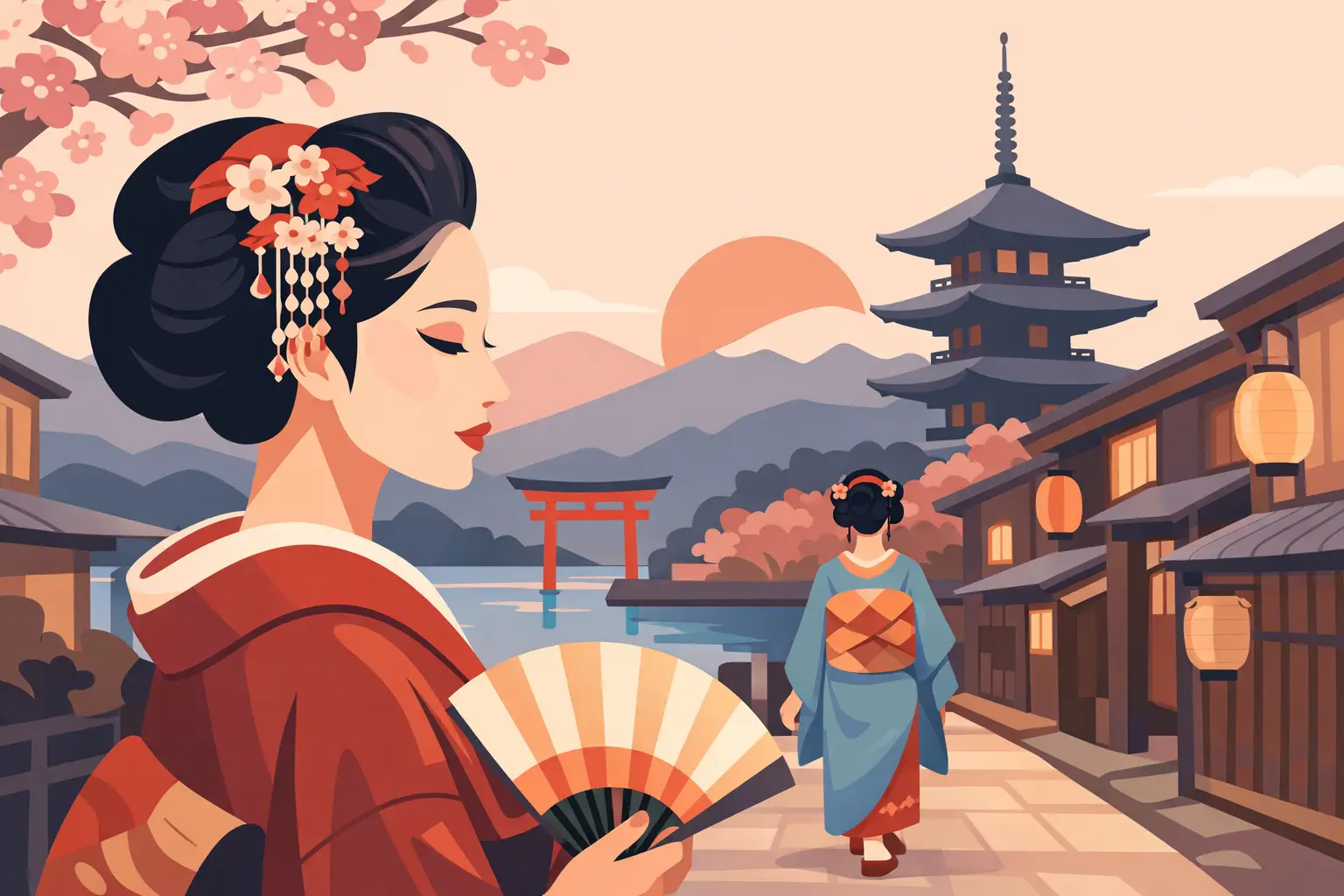
A Kyoto afternoon can be beautifully planned and still feel incomplete if the geisha experience is reduced to a glimpse across a street. Knowing how to choose a geisha experience means looking beyond a striking photograph or a low headline price. The finest occasions create time for genuine hospitality, artistry, conversation, and the quiet rituals that make Kyoto culture so distinctive.
For many overseas guests, this is a rare Kyoto moment: an opportunity to meet accomplished artists in an elegant setting rather than simply observe a tradition from a distance. The right choice should feel both exceptional and comfortable, with every practical detail considered in advance.
目次
- Start With the Kind of Memory You Want
- How to Choose a Geisha Experience With Real Cultural Depth
- Choose the Setting as Carefully as the Performance
- Look for English Support That Adds Confidence
- Compare Inclusions, Not Just Prices
- Respectful Etiquette Makes the Experience More Enjoyable
- Reserve a Format That Fits Your Kyoto Itinerary
Start With the Kind of Memory You Want
A geisha experience can take several forms, and the best format depends on the occasion. A brief public performance may suit a traveler who wants an introduction to traditional dance. A refined lunch with geisha or maiko offers more time to appreciate the arts, enjoy conversation, and share the experience with a partner, family, or private group.
If this is a honeymoon, milestone birthday, executive visit, or your only visit to Kyoto, consider whether a short viewing experience will feel sufficient. Guests seeking a lasting personal memory often value a seated occasion where dining, performance, entertainment, and photographs are thoughtfully brought together.
In Kyoto, the term geiko is commonly used for what international visitors call geisha. Maiko are apprentice geiko, recognized by their youthful style of dress and distinctive hair ornaments. Both are trained entertainers and practitioners of traditional arts. An excellent host will explain these distinctions gracefully, without turning the occasion into a lecture.
How to Choose a Geisha Experience With Real Cultural Depth
Authenticity is not measured by how hidden or difficult an experience is to arrange. A private introduction without context can leave international guests uncertain about what they are seeing, while a carefully curated gathering can offer a far more meaningful encounter.
Look for an experience that clearly identifies the cultural elements included. Traditional dance should be presented as an art form, accompanied by an explanation of its mood or seasonal references. Shamisen music, when offered, brings another dimension to the room: its clear, expressive sound gives guests a closer sense of the training behind the performance. Traditional parlor games are equally valuable because they change the atmosphere from formal observation to shared enjoyment.
The strongest programs balance these moments. You should have time to watch, listen, participate, and speak with your hosts through an interpreter. A schedule packed with activities can feel rushed; one centered only on a meal may not deliver the cultural access you hoped for. Seek an experience that allows each element to unfold at an unhurried pace.
It is also wise to distinguish between a geisha-themed event and an occasion with real geiko or maiko. The latter should be presented transparently, with clear details about the artists, the entertainment, and the setting. Respectful cultural framing matters. It reflects care for both the guests and the traditions being shared.
Choose the Setting as Carefully as the Performance
The setting shapes the entire experience. Kyoto-style cuisine served in a private or beautifully appointed dining room creates the right pace for a cultural lunch. It allows guests to settle in, enjoy the seasonality and presentation of the meal, and give full attention to the performers.
Consider the atmosphere you prefer. A larger group can be lively and social, particularly for friends or corporate guests. A smaller group generally offers more personal interaction, easier conversation, and better opportunities for photographs. Private arrangements are especially appealing for couples and families who want to mark an occasion without the feeling of a public tour.
Dining should be more than an intermission between performances. A thoughtfully composed Kyoto meal is part of the experience itself. Before reserving, check whether the cuisine is described clearly and whether dietary needs can be discussed ahead of time. Premium hospitality is often revealed in these quieter details: a considerate response to a vegetarian request, a well-timed course, and a host who ensures no guest feels overlooked.
Look for English Support That Adds Confidence
Language should never keep you at the edge of the room. The customs of a geisha gathering can be unfamiliar, from when to offer a greeting to how a game is played. English-speaking interpretation gives guests the confidence to relax and participate naturally.
The best interpretation does more than translate individual words. It provides context at the right moment, helps guests follow a conversation, and explains etiquette with a light touch. This is particularly valuable when asking questions about dance, music, kimono, or the artists’ training.
Before choosing, confirm whether English support is available throughout the experience rather than only at check-in. If you are traveling with guests who do not speak English, ask about language options early. Clear communication protects the sense of ease that a special Kyoto occasion deserves.
Compare Inclusions, Not Just Prices
Two experiences with similar prices may offer very different levels of access and care. A thoughtful comparison begins with what is actually included: the length of the event, quality of dining, number of performances, entertainment games, interpretation, photographs, and any keepsake to take home.
Higher-tier experiences often include a live shamisen performance, more extensive interaction, or enhanced photo opportunities. These additions can be worthwhile when the occasion is significant or when you want a fuller expression of Kyoto’s performing arts. For a traveler on a tighter schedule, a more concise lunch may be the better choice, provided it still includes meaningful time with the geiko or maiko.
Pay attention to practical transparency. A trustworthy provider will state the duration, meeting arrangements, group size, what is included in the price, and any relevant etiquette or dress guidance. Vague descriptions and surprise extras are not hallmarks of refined hospitality.
A professional-style photograph is another detail worth considering. Casual phone photos can be charming, but a composed image with geiko or maiko becomes a personal record of an extraordinary afternoon. If photography is important to you, ask when it takes place and whether every guest will have an opportunity to participate.
Respectful Etiquette Makes the Experience More Enjoyable
You do not need to memorize a long set of rules before attending. Arrive on time, dress neatly, follow your host’s guidance, and ask before taking photographs. These simple gestures communicate respect and allow everyone to feel at ease.
Avoid treating geiko and maiko as costumes or props. They are skilled professionals who have devoted years to dance, music, conversation, and the traditions of Kyoto hospitality. Genuine curiosity is always welcome, especially when expressed through thoughtful questions about the arts, seasonal customs, or life in the hanamachi districts.
A polished experience should make etiquette approachable. You should never feel anxious about making a mistake, but you should leave with a deeper appreciation of the care behind the occasion.
Reserve a Format That Fits Your Kyoto Itinerary
Geisha experiences are best enjoyed when they are not squeezed between major sightseeing stops. Allow time to arrive calmly, particularly if you are coming from another part of Kyoto. A lunch format can be ideal after a quiet morning in Gion or Higashiyama, leaving the evening open for a leisurely dinner or stroll.
Reserve well ahead for peak travel seasons, including cherry blossom season, autumn foliage, year-end holidays, and spring travel dates. Smaller groups and private arrangements have more limited availability. If your travel dates are fixed around a celebration, make this one of the first cultural experiences you organize.
GEISHAKYOTO offers a clear example of what many discerning visitors seek: a structured Kyoto lunch that combines cuisine, dance, games, photographs, souvenirs, and English interpretation, with live shamisen included in its higher-tier plan. The value is not merely convenience. It is the assurance that a tradition which can be difficult for overseas visitors to access is presented with warmth, elegance, and appropriate cultural care.
Choose the experience that gives you enough time to be present. When the meal is unhurried, the artistry is real, and you feel welcomed into the room rather than placed outside it, Kyoto’s traditions stay with you long after the final photograph is taken.
AUTHENTIC KYOTO EXPERIENCE