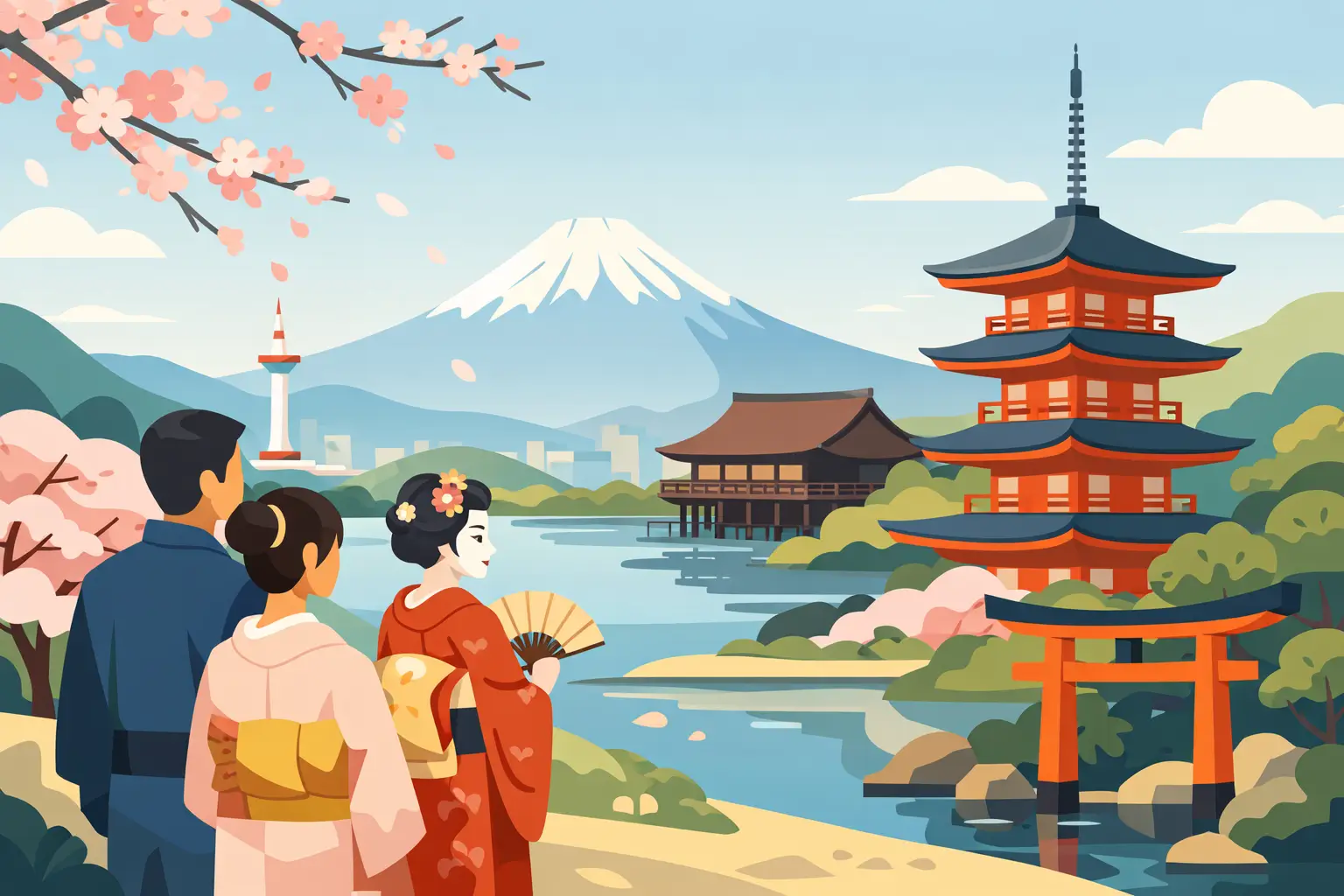
Kyoto can be quiet in a way that feels almost ceremonial. A lantern-lit street in Gion, the measured sound of wooden sandals, the pause before a shamisen note – these are the moments many travelers imagine when searching for the best cultural experience in Kyoto. The challenge is that Kyoto offers no shortage of beautiful sights, yet truly meaningful access to its living traditions is far rarer than most visitors expect.
That difference matters. There is a clear distinction between seeing culture and being welcomed into it. Temples, gardens, and historic districts are essential to Kyoto, but they are often experienced at a distance, filtered through crowds, timing, and the pace of sightseeing. For travelers who want a refined, memorable, and genuinely local encounter, the most compelling experiences are the ones that create personal connection, context, and a sense of occasion.
目次
What makes the best cultural experience in Kyoto?
The best cultural experiences in Kyoto share a few qualities that are easy to feel and harder to stage. They are rooted in local tradition, presented with care, and designed in a way that helps international guests understand what they are seeing. Beauty alone is not enough. Authenticity without access can feel closed off, while convenience without substance can feel manufactured.
A strong Kyoto cultural experience brings together atmosphere, hospitality, and interpretation. It should feel unmistakably of Kyoto, not transferable to any other city in Japan. It should also remove the uncertainty many overseas travelers face, especially around etiquette, language, and the question of whether an experience is truly reputable.
This is why so many sophisticated travelers place geisha and maiko encounters in a category of their own. When arranged properly, they offer something deeper than performance. They reveal a living artistic tradition shaped by discipline, conversation, music, movement, and seasonal sensibility. In Kyoto, that is not a theatrical add-on. It is part of the city’s cultural core.
Why a geisha encounter often becomes the best cultural experience in Kyoto
Many visitors arrive in Kyoto hoping to glimpse geiko and maiko in the historic districts. What they often discover is that a brief sighting on the street, if it happens at all, is fleeting and distant. It may produce a photograph, but not understanding. It rarely provides the warmth, explanation, or intimacy that turns admiration into memory.
A curated geisha dining experience changes that completely. Instead of standing outside a tradition, guests are invited into a structured and respectful setting where the cultural elements become legible and personal. The meal establishes a sense of hospitality. The performance introduces grace and technique. Traditional games create interaction rather than passive observation. If shamisen is included, the musical layer adds emotional depth that many guests remember long after the trip.
For discerning travelers, this combination is especially powerful because it offers both rarity and ease. Real access to Kyoto’s geisha world has historically been limited by introductions, local networks, and etiquette expectations. International guests may not know where to begin, or they may hesitate out of concern about doing the wrong thing. A thoughtfully organized experience preserves the dignity of the tradition while making it approachable.
That balance – exclusive yet welcoming – is what often elevates a geisha experience above standard cultural activities.
The difference between authentic and tourist-oriented
Not every geisha-themed experience deserves the same trust. Some are more costume-driven than culturally grounded. Others reduce a sophisticated tradition to a photo opportunity. For visitors investing time and money into a premium Kyoto moment, that distinction is worth paying attention to.
An authentic experience is centered on real practitioners, proper setting, and respectful presentation. It does not rely on novelty alone. It gives guests a chance to appreciate the artistry of dance, the musicality of shamisen, the social intelligence involved in entertainment, and the formal hospitality that shapes the occasion.
It should also be transparent about what is included. A polished lunch package with a Kyoto-style meal, live cultural elements, English interpretation, and structured interaction offers clarity that luxury travelers value. There is less guesswork, less friction, and less concern about whether expectations will match reality.
The role of dining in a memorable Kyoto cultural experience
Food in Kyoto is not separate from culture. It is one of the clearest expressions of seasonality, restraint, craftsmanship, and hospitality. That is why dining matters so much when considering the best cultural experience in Kyoto.
A meal creates rhythm. Guests settle in, notice details, and move from observation into participation. In a rushed sightseeing schedule, that kind of pause is rare. Kyoto cuisine, presented in a carefully prepared setting, frames the encounter with elegance and gives the experience emotional texture.
There is also a practical benefit. Travelers who may feel nervous about cultural etiquette often find dining to be an accessible point of entry. Once seated and welcomed, the atmosphere becomes less intimidating. Conversation opens more naturally. Questions can be answered. Customs make more sense in context.
For couples, honeymooners, executives, and private groups, this format feels especially appropriate. It is celebratory without being theatrical and exclusive without becoming uncomfortable.
How to choose the best cultural experience in Kyoto for your trip
The right choice depends on what kind of traveler you are and what you hope to remember afterward. If your priority is broad sightseeing, temples and districts may satisfy that goal. If you want an experience that feels rare, hosted, and deeply tied to Kyoto identity, a geisha-centered cultural lunch or private event is often the stronger choice.
Look for experiences that combine four things: authenticity, structure, comfort, and interpretation. Authenticity means real cultural substance, not a superficial theme. Structure matters because premium travelers value a clear flow, defined inclusions, and confidence in what they are reserving. Comfort includes details such as an approachable booking process, elegant service, and language support. Interpretation is what transforms a beautiful encounter into an understandable one.
There are trade-offs, of course. The most exclusive experiences are usually reservation-based and priced accordingly. They are not designed for budget travelers or spontaneous drop-ins. But that premium is often what allows the experience to feel calm, intimate, and polished rather than crowded or generic.
For many visitors, especially those in Kyoto for only a few days, that trade is worthwhile. Time is limited. A single extraordinary cultural event can become the emotional center of the entire trip.
Who benefits most from this kind of experience?
Travelers celebrating something special often appreciate it most – anniversaries, milestone birthdays, honeymoons, family gatherings, or executive visits. These guests are not simply looking to fill an afternoon. They want a Kyoto memory with depth and atmosphere.
It also suits visitors who care about aesthetics and storytelling. If you value the details of a place – the room, the service, the music, the choreography of hospitality – then a curated geisha experience offers a level of refinement that standard tours rarely reach.
For overseas guests, the presence of English-speaking support is more than a convenience. It is often the bridge that makes the experience feel relaxed and intelligible rather than opaque. That reassurance can be the difference between admiring Kyoto from the outside and feeling genuinely welcomed within it.
A rare Kyoto moment, not just an activity
The most memorable experiences in Kyoto are not always the ones with the longest itinerary. Often, they are the ones with the strongest sense of place. A carefully presented meal, a live dance performed just a few feet away, the sound of shamisen, a shared game that turns formality into laughter, a professionally captured photograph that feels earned rather than staged – these details stay with people because they feel specific, intimate, and difficult to replicate anywhere else.
That is why, for many luxury-minded travelers, the best cultural experience in Kyoto is not a checklist item but a hosted encounter with living tradition. When arranged with authenticity and care, it offers what so many visitors are quietly seeking: not just access, but belonging for an afternoon inside one of Japan’s most refined cultural worlds.
At its best, this is what a Kyoto experience should do. It should slow time, sharpen attention, and leave you with the feeling that you were not simply shown something beautiful, but briefly welcomed into it.
AUTHENTIC KYOTO EXPERIENCE